
Automobile Connectors Plastic Shells Inspection Machine
Overview
Automobile connectors are critical components in automotive electrical systems, ensuring stable power transmission and secure connections. Their plastic housings (shells) must meet the highest quality standards before assembly. However, during production or handling, connector shells are prone to cracks, scratches, contamination, or deformation.
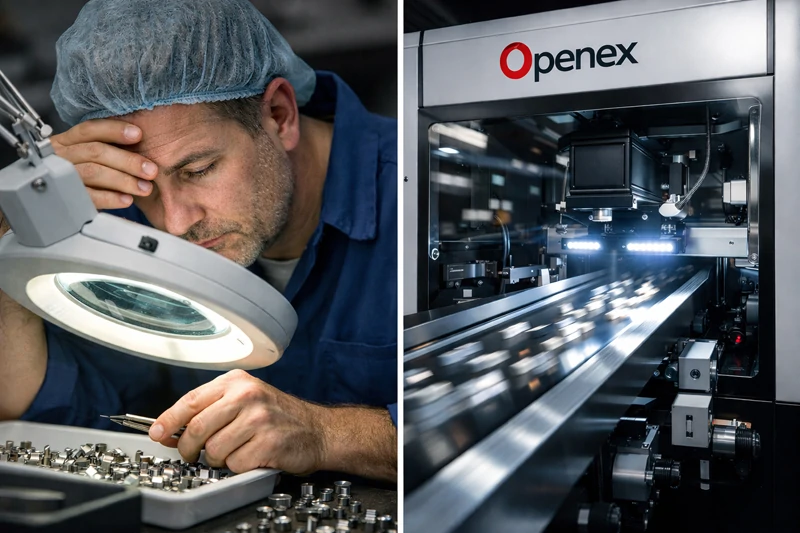
Traditional manual inspection is time-consuming, error-prone, and labor-intensive. Operators often face fatigue and inconsistency when inspecting massive production volumes. That’s why manufacturers worldwide are turning to Openex AI-powered optical inspection systems.
Technical Highlights
- Inspection Objects: Automobile Connectors Plastic Shells
- Non-Contact Vision Inspection: Protects delicate plastic shells while ensuring 100% coverage.
- AI Deep Learning Algorithms: Capable of recognizing complex defect patterns beyond conventional rule-based inspection.
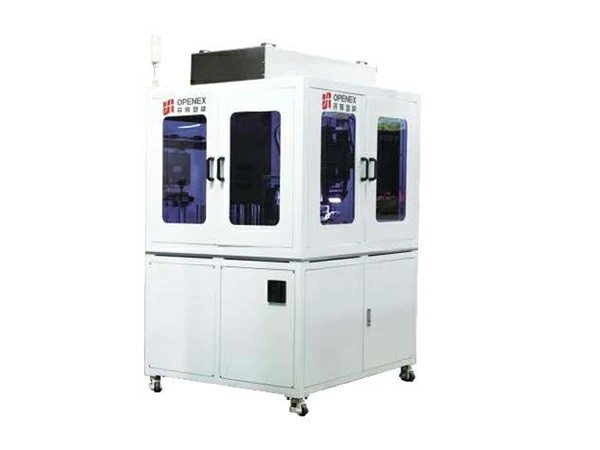
- Compact Machine Design: Small footprint, easy to integrate into existing production lines.
- Inspection Items: cracks, scratches, contamination, or deformation.
- Real-Time Data Reporting: Digital records support quality traceability and manufacturing analytics.
Features of The Connector Shells Inspection System
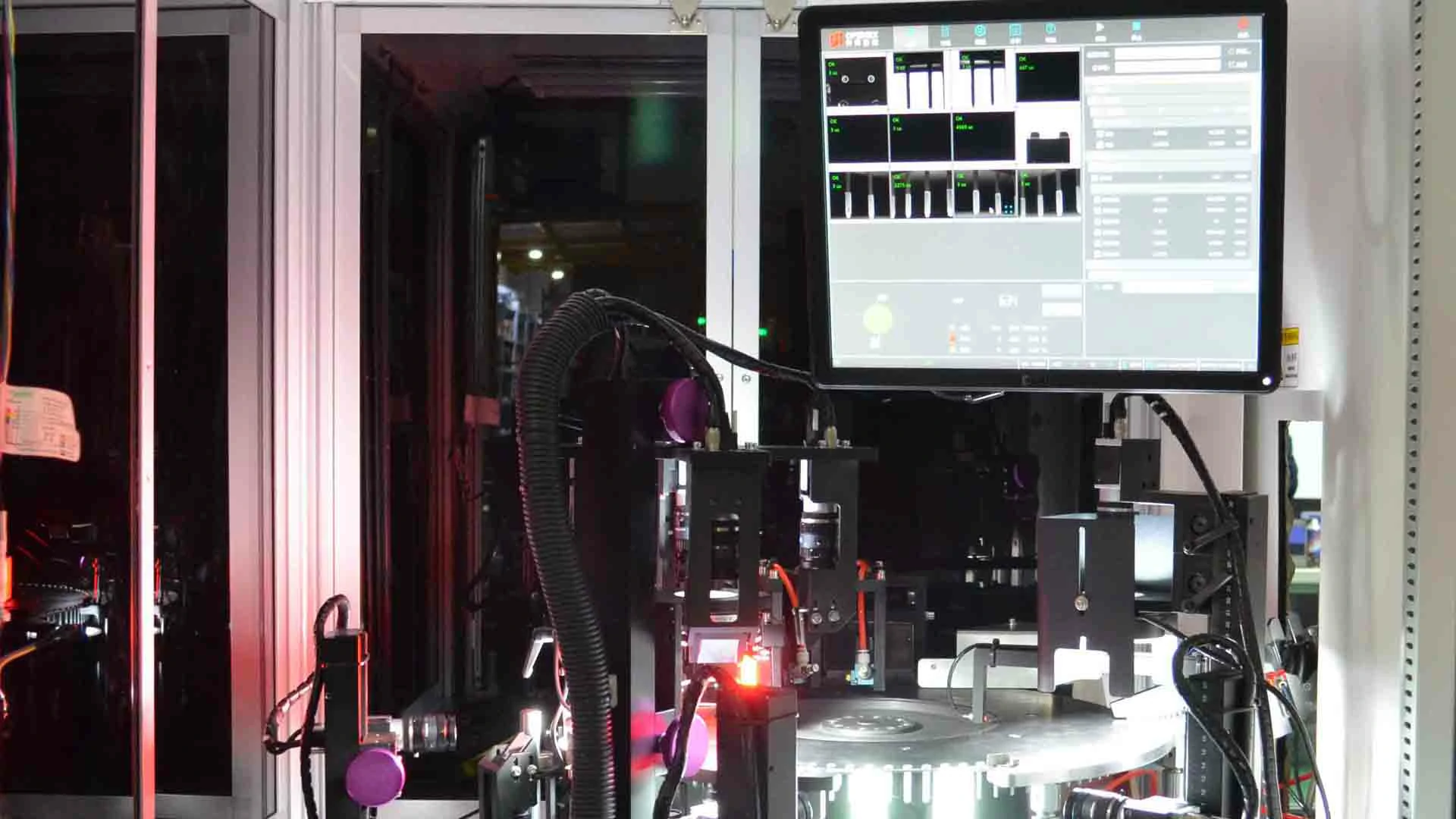
- Defect Detection Accuracy: Our industrial cameras replace the human eye, combined with AI algorithms to detect cracks, contamination, and surface defects at micron-level precision.
- High-Speed Inline Inspection: Automated inspection handles thousands of connector shells per hour with no operator fatigue.
- Multi-Spec Compatibility: A single compact machine can inspect P2 to P20 automotive connector housings and adapt to multiple product types.
- Clear Good/Bad Separation: Using intelligent ejectors, good products and defective products are automatically sorted — no ambiguity, no rework.
- Cost Reduction & Efficiency: Save labor, reduce inspection time, lower costs, and improve overall efficiency of production lines.
- Reliable Traceability: Digital inspection results are stored and traceable, minimizing human error and ensuring compliance with automotive quality standards.