The Unsung Hero of High-Speed Sorting: Understanding Vibration Bowl Feeders
Introduction: The Engine Behind the Camera
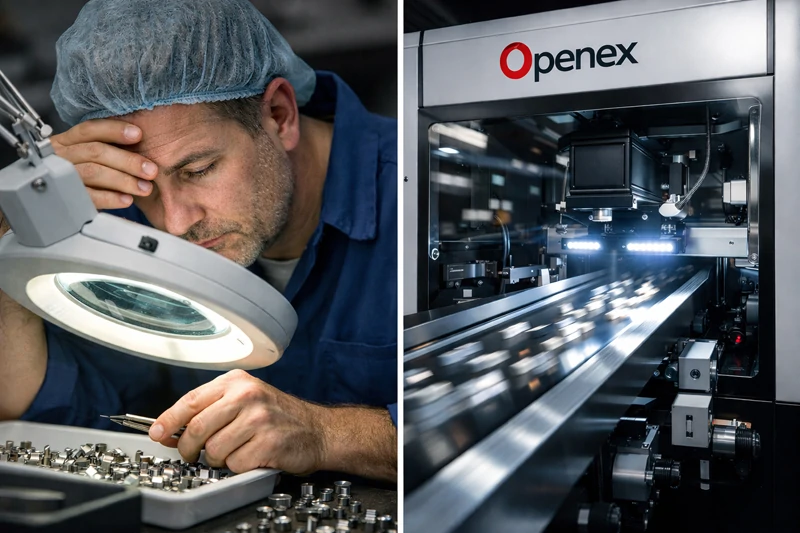
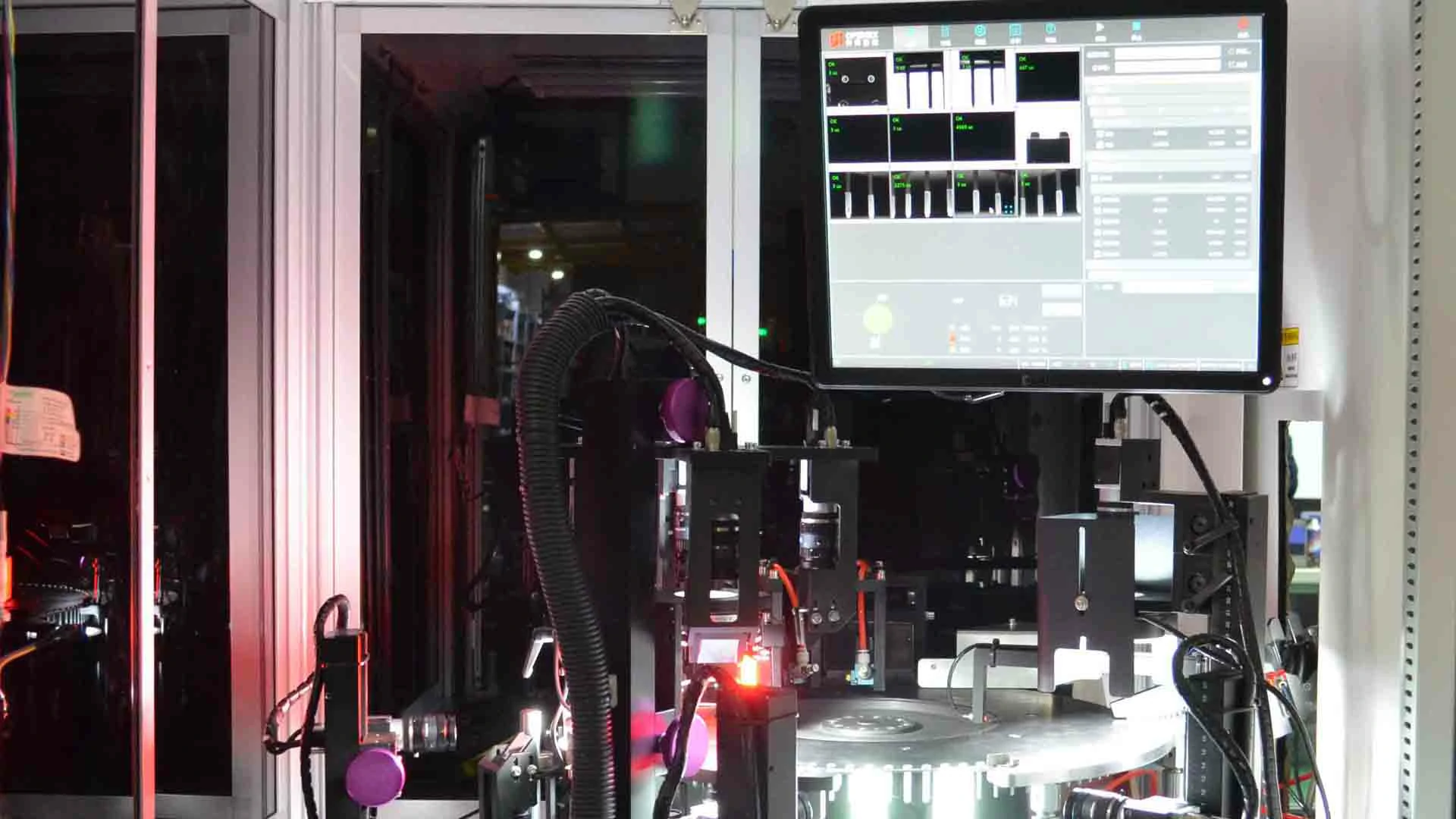
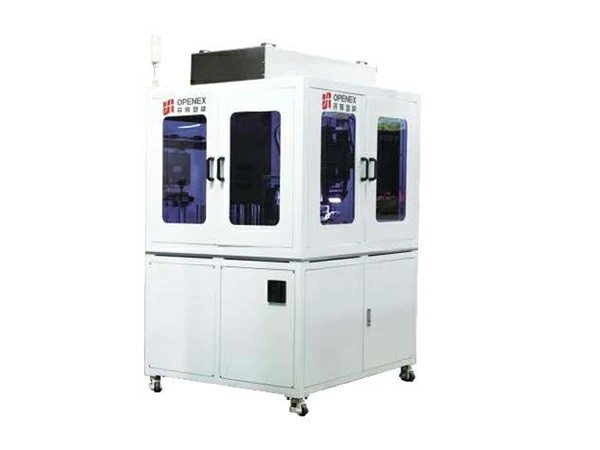
When people look at an Optical Sorting Machine, they are usually captivated by the high-tech cameras, the flashing strobe lights, and the monitors displaying real-time data. It is easy to focus on the “Vision” part of the system.
But even the most advanced AI camera is useless if it doesn’t have a part to look at.
For an optical sorting machine to inspect 500, 800, or 1,200 parts per minute, those parts must be delivered to the glass plate in a perfect, single-file stream, spaced evenly, and oriented correctly.
This massive logistical challenge is solved by the Vibration Bowl Feeder—the unsung hero of the automation line. In this post, we explore how this mechanical marvel works and why it is critical to the efficiency of your sorting process.
What is a Vibration Bowl Feeder?
At its simplest, a vibration bowl feeder is a device used to feed individual component parts for assembly or inspection on industrial production lines.
The Mechanism:
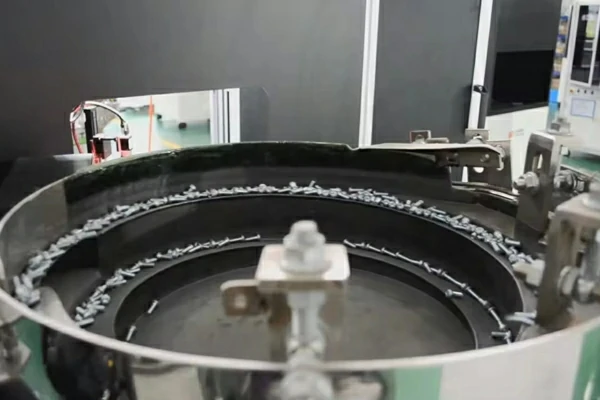
The bowl sits on a drive unit containing electromagnets and leaf springs. These magnets pull the bowl down and release it rapidly, creating a vibration. This vibration isn’t random; it is tuned to a specific frequency that causes the parts inside to move in small “hops.”
The inside of the bowl features a spiral track (or flighting) climbing up the wall. As the bowl vibrates, parts “walk” up this ramp from the bottom of the pile toward the exit at the top.
The Real Magic: Orientation and Selection
Getting parts to move is easy. Getting them to face the exact same way is the hard part.
Imagine you are sorting M6 bolts. To inspect them effectively, every bolt must enter the machine hanging by its head, or lying flat with the head leading. You cannot have a mix of head-first and thread-first parts.
The vibration bowl uses clever mechanical “traps” and “selectors” built into the track to filter parts:
- The Wiper: A physical bar that knocks off parts that are stacked on top of each other.
- The Cutout: A hole in the track shaped so that parts facing the wrong way fall through it and back into the bottom of the bowl to try again.
- The Air Jet: A precise blast of air that blows misaligned parts off the track.
By the time the parts reach the top of the bowl, 100% of them are oriented correctly and ready for the optical sorting machine.
Vibration vs. Centrifugal: Which Do You Need?
While vibration bowls are the industry standard, Openex also utilizes Centrifugal Feeders for specific applications.
- Vibration Bowls: Best for sturdy metal parts like screws, nuts, bolts, and rivets. They are robust and highly customizable. See our Fasteners Inspection Machine for an example.
- Centrifugal (Rotary) Feeders: Best for high-speed applications or delicate parts (like plastic caps or medical/pharma items). Instead of shaking, a spinning disc uses centrifugal force to push parts to the edge. This is quieter and gentler on the parts.
Openex engineers analyze your specific product—its material, weight, and geometry—to select the feeding system that prevents damage and jams.
The Link to Efficiency: Linear Feeders
The bowl organizes the parts, but the Linear Feeder delivers them.
Once parts leave the bowl, they enter a straight track (linear chute) that bridges the gap between the bowl and the sorting machine’s glass plate. This track acts as a “buffer.”
Why is this important?
If the bowl momentarily stops feeding (perhaps a temporary jam), the linear track holds a reserve of 20–50 parts. This ensures the Automated Optical Inspection Machine never “starves” or runs empty, maintaining that critical throughput of 1,000+ PPM (Parts Per Minute).
Common Challenges (and How We Solve Them)
A poorly designed feeding system can ruin a project. Here is how Openex addresses common feeding issues:
- Noise: Vibration bowls can be loud (metal hitting metal). We offer Acoustic Enclosures—soundproof boxes that encase the feeder, significantly reducing factory noise levels to meet OSHA/ISO safety standards.
- Oily Parts: Fasteners often come straight from production covered in cutting oil. This changes friction, causing parts to slip backward in the bowl. We use specialized Rough Coating (PU Lining) inside the bowl to provide grip, even for oily parts.
- Wear and Tear: Constant vibration is abrasive. Our bowls are made from hardened stainless steel or lined with polyurethane to resist wear, ensuring years of service.
Conclusion: Consistency is Key
An Optical Sorting Machine is a symphony of moving parts. The camera provides the intelligence, but the feeding system provides the rhythm.
At Openex, we don’t just sell you a camera box; we design the entire feeding ecosystem—from the bulk hopper to the vibration bowl, to the linear track—ensuring that your production flows smoothly, quietly, and efficiently.
Next Week: We move from the feeder to the main stage. We will explore the most popular machine configuration in the fastener industry in our post: Glass Plate Optical Sorting Machines: Ideal for Fasteners and Flat Parts.
Struggling with Feeding Jams?
Do you have a part that is difficult to orient or feed? Send us a video or drawing. Our mechanical engineers love a challenge and can design a custom bowl strategy for your unique components.