
Powder Metallurgy Pawls Inspection Machine
Overview
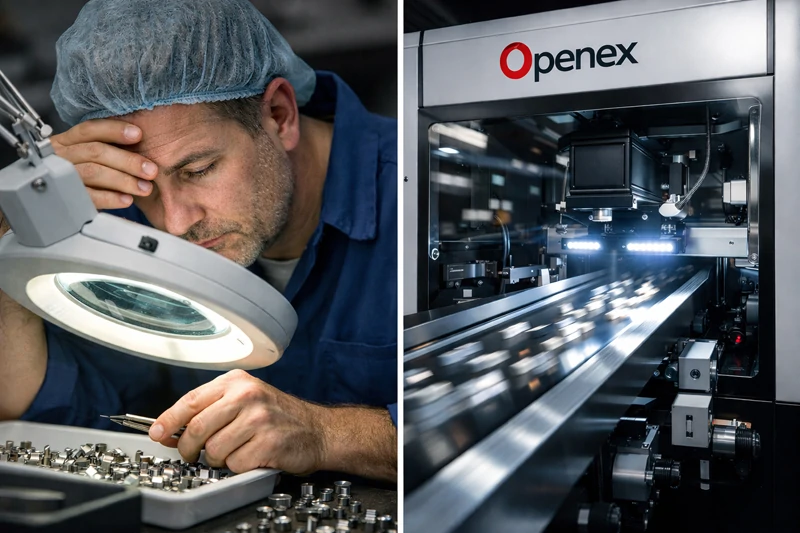
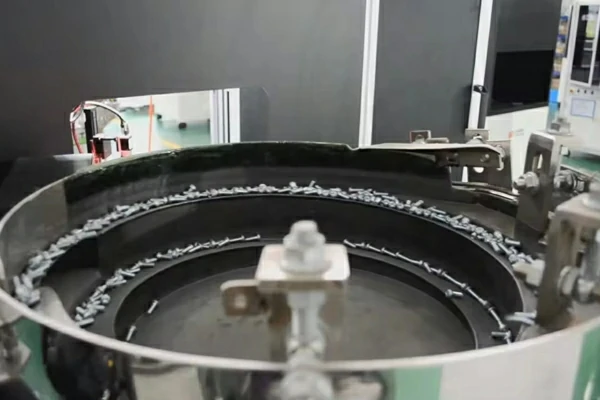
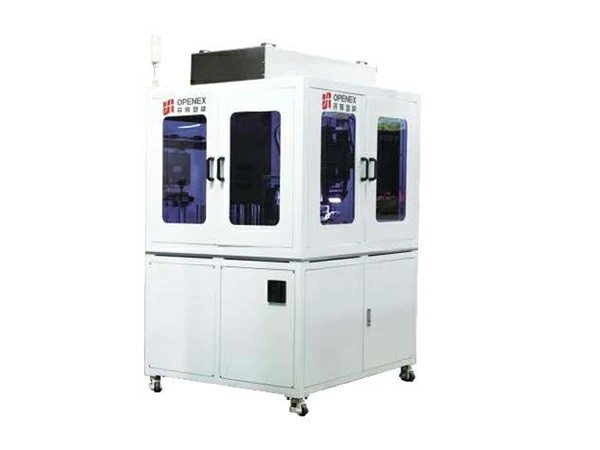
The Powder Metallurgy Pawls Inspection Machine is an intelligent, fully automated vision system designed to inspect powder metallurgy components such as pawls, ratchets, and similar sintered metal parts. It performs non-contact, high-speed measurement and defect detection, allowing manufacturers to achieve 100% quality assurance without manual sampling or visual checks.
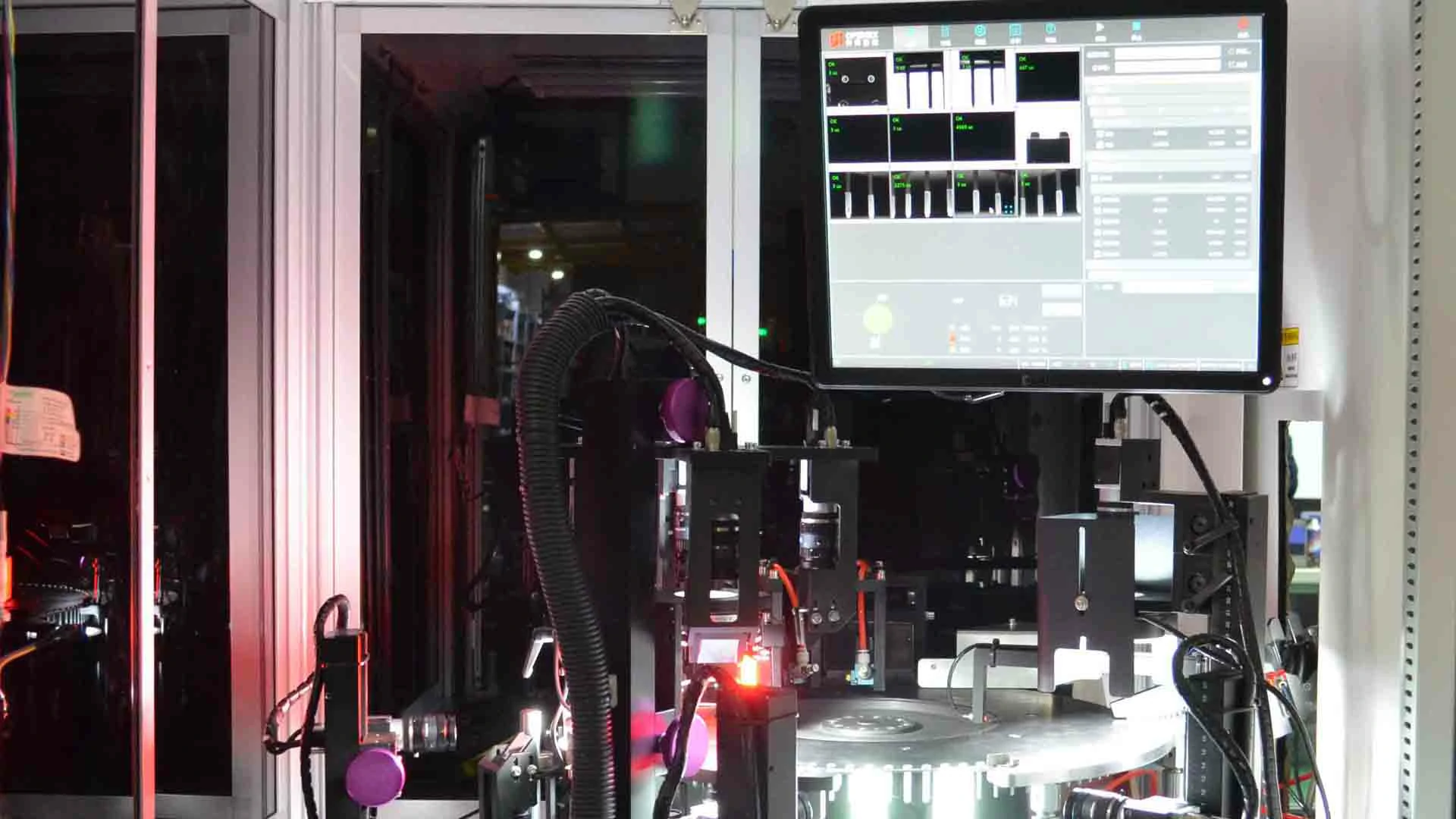
Using AI deep learning algorithms combined with multi-angle prism optics, the system can detect both dimensional variations and subtle surface defects that are often missed by traditional inspection methods. With a speed of up to 200 parts per minute, it is ideal for large-scale, precision component production.
Specifications
- Inspection Object: Powder Metallurgy Pawls (4 compatible types)
- Inspection Speed: Up to 200 pcs/min
- Detection Type: Dimensional + Defect detection
- Detection Accuracy: ±0.01mm
- Inspection Items: Flatness, Thickness, Rivet damage, Material shortage / bottom missing, Surface spots or stains, Foreign particles or stone residue in round holes, Mixed material (cross-contamination), Rivet misalignment / incomplete riveting, Rivet protrusion, Burrs at rivet base, Cracks, dents, or surface chipping
Key Features
1. Prism-Based Optical Structure
A patented prism configuration simplifies camera setup and ensures complete image coverage. It efficiently captures defects at the rivet root, including burrs, cracks, and dents, with minimal blind spots.
2. Deep Learning Defect Recognition
Integrated AI deep learning enables detection of micro and complex defects that conventional algorithms often fail to identify — ensuring intelligent, adaptive inspection performance.
3. Multi-Shape Compatibility
The system supports four distinct pawl geometries, eliminating the need for frequent hardware adjustments or reconfiguration.
4. High-Speed Inspection
Designed for mass production environments, the system achieves inspection speeds up to 200 parts per minute without compromising accuracy.
5. Full Traceability
Every inspected component is logged with corresponding images and analysis data for traceable quality control and production reporting.